PIG ADOPTION · 6 MIN READ
The Four Things to Know Before You Adopt a Pig
What to prepare before bringing a pig home, with a closer look at intelligence and access to veterinary care.
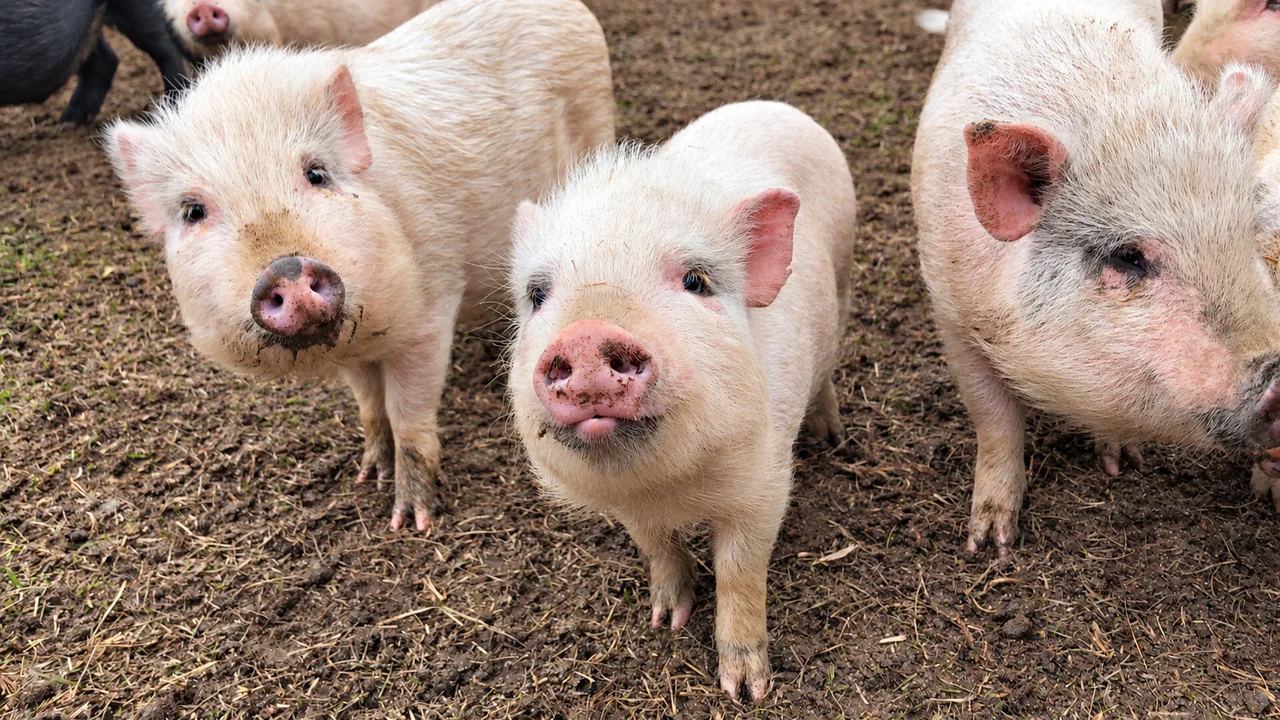
Before you adopt a pig, make sure you can provide lifelong care, a safe and legally permitted home, companionship and enrichment, and reliable access to a veterinarian who treats pigs.
There is a lot to love about pigs. There is also a lot to understand before bringing one home. At Cotton Branch Refuge Project, two things stand out in conversations about adoption: people underestimate how intelligent pigs are, and they underestimate how difficult veterinary care can be to find.
Learning these things early gives you time to prepare. It also gives the pig a better chance of a stable, lasting home. Here are the four conversations I encourage you to have before applying.
01 / THE COMMITMENT
You are adopting an adult pig’s future, too.
A piglet grows up. The home you prepare needs to work for the adult that pig becomes, including their strength, space needs, and ability to move comfortably as they age.
Pot-bellied pigs often live for 15 to 20 years. The word “mini” does not promise a permanently tiny animal, and young pigs can continue growing for several years. Adult size varies. A small piglet is not a reliable picture of the lifelong commitment.
Think beyond your life this month. If you move, will you look for a home where your pig can live? Who will provide daily care when you travel or become ill? Does everyone in the household understand the commitment? These are questions to answer together before adoption.
Adopting an adult can make some decisions easier because you can meet the pig at their current size and learn about their personality. Ask the rescue about that individual’s routines, relationships, and care needs.
Before you apply: Write down who will provide daily care, who your backup caregiver will be, and how you will keep the pig with you through a change in housing.
02 / THE HOME
Your home needs to be legal, secure, and ready.
Start with the address where the pig will actually live. Confirm the applicable city or county rules, zoning, and any HOA or property restrictions. Ask the relevant office about that specific property and keep the answer in writing. A neighbor having a pig does not establish permission for your home.
Then walk through the space from a pig’s point of view. Check fencing, gate latches, shelter, shade, water access, and places to cool off. Look for hazards at ground level and think about how the space will function after heavy rain or during extreme weather.
Living indoors does not remove a pig’s need for outdoor time. There should be a secure place to exercise, root, and explore. Indoors, plan for safe footing and secure storage for food, medications, and cleaning products.
Make a separate safety plan for dogs.
Pigs and dogs can seriously injure one another, even after apparently friendly interactions. Cotton Branch requires secure physical separation whenever they are not directly supervised. Plan the barriers and daily routine before placement.
Before you apply: Confirm permission for your property, photograph the proposed living space, and resolve fencing and separation needs before a pig arrives.
03 / THE INDIVIDUAL
A pig’s intelligence needs your time and attention.
Pigs are capable learners. They can learn cues and routines, and training can help with practical tasks such as walking on a harness or entering a transport carrier. Their intelligence is part of the joy of knowing them. It also means their daily life needs to offer more than meals and a place to sleep.
Make room for curiosity. Offer safe opportunities to investigate and root. Spend time learning what that particular pig enjoys. Food-based activities should fit their nutrition plan, and enrichment needs to suit their size and abilities.
Rooting, exploring, and rearranging bedding are normal pig behaviors. A home that depends on a pig never digging or investigating is likely to be a difficult match. Prepare a space where they can do those things safely.
Companionship is part of the care plan.
Pigs are social animals. Talk with the rescue about compatible pig companionship and any existing bonds. Cotton Branch considers each pig’s needs when making a placement recommendation and may recommend or require a bonded pair. A dog should not be assumed to fill that role.
Give a newly adopted pig time to settle in. Ask about the approach that has worked for them, keep expectations realistic, and use patient, reward-based training. If behavior changes, discuss it with the rescue and veterinarian rather than assuming the pig is simply being difficult.
Before you apply: Describe what the pig’s day will look like, including companionship, outdoor activity, enrichment, and time with you.
04 / THE CARE PLAN
Find your pig’s veterinarian before you need one.
This deserves more attention than it often gets. A nearby veterinary clinic does not necessarily treat pigs, and a clinic that offers routine appointments may have a different arrangement for emergencies. Make those calls before adopting.
Contact a practice directly and confirm that it is accepting companion pigs as patients. Explain the pig’s age, approximate size, and known needs. Ask who would provide care after hours and whether that provider also accepts pigs.
Questions to ask a veterinary practice
- Are you accepting new pig patients, including adult pigs?
- Which routine services can you provide, and what requires a referral?
- Who should I contact at night or on weekends?
- Do you make farm calls, or will I need to bring the pig to you?
- What transport and handling arrangements should I prepare?
- Can you give me estimates for routine care and explain emergency payment requirements?
Have a practical transport plan. Decide what vehicle, carrier, or trailer is appropriate, and who can help. Practice safe loading with guidance before an urgent situation makes everything more difficult.
Ongoing care may include wellness visits, nutrition and weight assessment, vaccinations and parasite care recommended by the veterinarian, hoof care, and tusk care when needed. Discuss spay or neuter status and any outstanding care with the rescue and veterinary team.
Build a budget around the whole life.
Ask for local estimates and price the setup your property actually needs. Include food, bedding, fencing maintenance, transport, and an emergency reserve alongside veterinary expenses. Keep a separate list of initial improvements and recurring costs so you can see both clearly.
Cotton Branch does not charge an adoption fee. Adopters are responsible for care expenses, and a transportation fee applies when approved delivery is available. Review the current adoption policies for the full requirements.
Before you apply: Have a confirmed veterinary provider, an after-hours contact, a workable transport plan, and a budget based on real estimates.